

Walking through the doors on your first day at our alcohol rehab in Los Angeles can feel overwhelming. Many people wonder what happens during those first few hours. Our admissions staff understands these concerns and works hard to create a welcoming environment from the moment you arrive.
After greeting you, we will review your paperwork, verify your information, and answer any immediate questions. You will meet members of your treatment team and begin the process of settling into your new surroundings.
As part of the intake process, your belongings will be respectfully searched. This is a standard safety procedure performed at reputable treatment facilities. The goal is not to invade your privacy but to protect everyone in our care.
During this process, staff members check for prohibited items, medications that require secure storage, and products that may contain alcohol or other substances that could interfere with treatment. If an item cannot remain with you, we will explain our policy and discuss available options.
Coming to an alcohol rehab can be one of the best decisions you make for your health, as this study and several others have shown.

Essential Documents & Medical Basics: The Non-Negotiables
Once check-in at our alcohol detox and rehab is complete, you will receive a tour of the facility, learn about your daily schedule, and have an opportunity to become familiar with your room before beginning treatment.
Arriving with the right paperwork can make the admissions process much more efficient. While our staff can often assist with missing information, bringing these essentials helps avoid unnecessary delays.
Before leaving home, double-check your bag to make sure these important items are included.
Government-Issued Identification & Insurance Cards
Bring a valid government-issued photo ID whenever possible. Most treatment centers also request your current insurance card if applicable.
You may also want to bring:
- Emergency contact information
- Any referral paperwork
- Copies of recent medical records if available
- Pharmacy information
- A list of allergies
Having these documents readily available allows our admissions team to focus more quickly on your care rather than tracking down information later.
Prescription Medications (Rules for Original Packaging)
If you take prescription medications, bring them in their original pharmacy containers with the prescription label intact.
This allows our medical staff to verify:
- Medication names
- Dosages
- Prescribing physician
- Refill information
Do not transfer medications into pill organizers or plastic bags before arriving. Original packaging helps ensure accuracy and allows our clinical staff to determine which medications should continue during treatment.
If medication changes are necessary, they will be discussed with you by qualified medical professionals.
Contact Information for Your Medical Team & Family
Having accurate contact information can save valuable time during admission.
Bring phone numbers for:
- Your primary care physician
- Specialists involved in your healthcare
- Your pharmacy
- Close family members
- Trusted emergency contacts
If you have previously worked with therapists or counselors, their information may also be useful as your treatment team develops your individualized care plan.
The 7-Day Rehab Clothing List: Comfort Meets Dress Codes
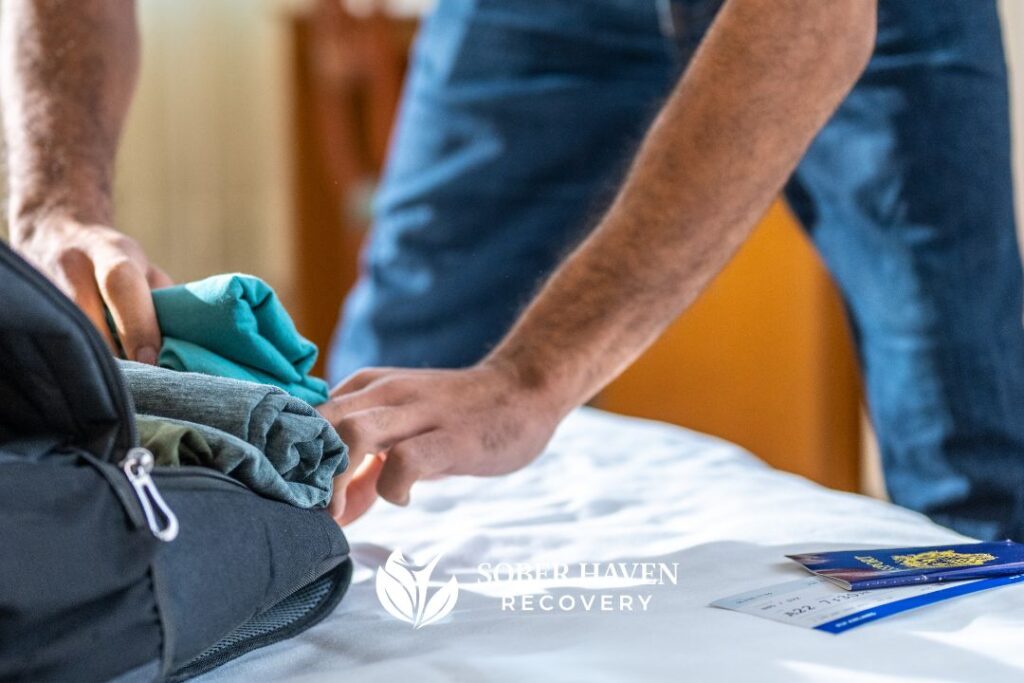
One of the biggest misconceptions about inpatient treatment is that you need to pack several large suitcases. In reality, most LA alcohol and drug detox/rehab facilities, including ours, offer laundry services or laundry machines, allowing patients to pack relatively light.
Southern California weather also makes planning easier. Woodland Hills often experiences warm afternoons, while evenings can become noticeably cooler, especially during certain seasons. Dressing in comfortable layers helps you stay comfortable throughout the day.
Practical clothing choices will help you participate fully in therapy, recreation, and daily activities without unnecessary distractions.
Daily Wear: Comfortable, Modest, and Layer-Ready
Comfort should be your priority when you’re at our alcohol rehab in Los Angeles.
Consider packing:
- T-shirts
- Long-sleeve shirts
- Sweatshirts
- Comfortable jeans
- Athletic pants
- Shorts appropriate for treatment settings
- Pajamas
- Undergarments
- Socks
- A lightweight jacket or hoodie
Simple, modest clothing allows you to focus on recovery rather than your wardrobe.
Many patients appreciate having clothing that is easy to wash and comfortable enough for individual counseling sessions, group meetings, and relaxation during personal time.
Activewear & Outdoor Clothing (For Experiential Therapy)
Recovery often includes movement and outdoor activities that support emotional wellness.
Comfortable activewear may include:
- Athletic shorts
- Moisture-wicking shirts
- Yoga pants
- Exercise leggings
- Sweatpants
- Lightweight athletic jackets
Some patients participate in wellness activities that encourage healthy routines while supporting long-term recovery. For example, if your treatment involves Dual Diagnosis, structured physical activity may also become one component of your individualized care plan.
Essential Footwear: Sneakers, Slip-ons, and Shower Shoes
When you arrive for alcohol rehab in Los Angeles, our goal is to remove unnecessary distractions so you can focus on building healthier routines.
The right footwear makes your stay more comfortable and helps you participate safely in daily activities.
We generally recommend bringing:
- Comfortable walking shoes or sneakers
- Slip-on shoes for relaxing indoors
- Shower sandals or flip-flops
- One pair of casual shoes if desired
Avoid bringing expensive designer footwear or multiple pairs of shoes that you do not expect to wear. Most patients find that a few practical options are all they need during a typical week.
Personal Hygiene & Toiletries: Navigating the Alcohol-Free Rule
Many people are surprised to learn that certain everyday hygiene products are not permitted in residential treatment. Some common toiletries contain alcohol, which can create unnecessary challenges during recovery.
Our staff reviews all personal care items during intake. If something cannot remain with you, we will explain the reason and help identify suitable alternatives whenever possible.
Approved Everyday Grooming Products
Most standard hygiene products are perfectly acceptable.
Common approved items include:
- Toothbrush and toothpaste
- Alcohol-free deodorant
- Shampoo and conditioner
- Body wash
- Facial cleanser
- Lotion
- Hairbrush or comb
- Lip balm
- Sunscreen
- Feminine hygiene products
- Disposable razors, if permitted by current facility policy
Whenever possible, choose simple products without unnecessary additives or fragrances.
The “No-Alcohol” Policy: What to Look For on Labels
Before packing, spend a few moments reading ingredient labels.
Products that often contain alcohol include:
- Mouthwash
- Certain aftershaves
- Some perfumes and body sprays
- Hair styling products
- Certain liquid medications
Choosing alcohol-free alternatives helps speed your admission process and supports a treatment environment focused on recovery.
If you have questions before arriving, our admissions team can help determine whether a specific product is appropriate.
What Is Strictly Prohibited in Inpatient Rehab?
Every treatment center maintains safety policies designed to protect patients and staff. Bringing prohibited items may delay intake while staff secure or arrange for their removal.
Knowing these rules ahead of time can make your first day considerably smoother.
Weapons, Aerosols, and Safety Violations
Items commonly prohibited include:
- Firearms
- Knives
- Pepper spray
- Ammunition
- Fireworks
- Illegal substances
- Aerosol products that violate facility policy
- Flammable materials
These policies are standard throughout reputable residential treatment programs and are intended to maintain a secure environment for everyone.
Clothing with Drug, Alcohol, or Offensive Graphics
Recovery is easier when the environment supports positive change.
Please avoid packing clothing displaying:
- Alcohol brands
- Drug references
- Offensive language
- Violent imagery
- Hate speech
- Explicit content
Simple, comfortable clothing helps create a respectful atmosphere where everyone can concentrate on healing.
Outside Food, Drinks, and Unapproved Supplements
Outside food and beverages are often restricted because dietary needs are carefully monitored during treatment.
You should also avoid bringing:
- Energy drinks
- Alcohol of any kind
- Recreational substances
- Vitamins or supplements that have not been approved by our medical staff
- Herbal products without prior review
If you have medically necessary supplements, discuss them with us before arrival so we can determine the safest approach.
Some individuals entering our residential program have previously participated in drug rehab before seeking treatment for alcohol use. Regardless of your history, our team develops care that reflects your current needs rather than a one-size-fits-all approach.
The “Gray Area” Items: Phones, Laptops, and Cash
Questions about electronics are among the most common concerns before admission to our alcohol rehab in Los Angeles. Policies vary between treatment centers, and we explain ours before your arrival so there are no surprises.
Cell Phone and Electronics Policies
Some treatment programs allow limited access to personal electronics, while others store them during portions of treatment.
Depending on your treatment schedule and clinical recommendations, policies may address:
- Cell phones
- Tablets
- Smartwatches
- Laptop computers
- E-readers
These guidelines are intended to minimize distractions and encourage patients to remain engaged in therapy, group sessions, and personal recovery.
Many individuals discover that stepping away from constant notifications allows them to focus more fully on building healthier habits and meaningful connections.
Our residential treatment program also incorporates 12-step programs for patients who wish to include them as part of their recovery journey.
How Much Cash Should You Bring for Incidentals?
Most patients need very little cash during their stay.
A small amount may be sufficient for incidental expenses if appropriate under facility policy. Expensive jewelry, large amounts of cash, and valuable collectibles are best left safely at home.
Comfort Items That Support Your Mental Well-Being
If you have questions about what to pack or what to expect before arriving at alcohol rehab in Los Angeles, we are here to provide answers that help you feel prepared.
Although packing light is encouraged, bringing a few familiar belongings can help make your room feel more comfortable during your stay.
Many patients appreciate simple items that promote relaxation during personal time.
You may wish to bring:
- Family photographs
- A favorite blanket, if permitted
- A journal
- Pens or pencils
- Paperback books
- Crossword or puzzle books
- Inspirational reading material
- A small calendar
- Address book for approved contacts
These personal items often provide comfort while helping you establish healthy daily routines.
Our team works to create an environment where healing feels both structured and supportive. From your first conversation with admissions through every stage of treatment, we strive to make each step clear, respectful, and encouraging.