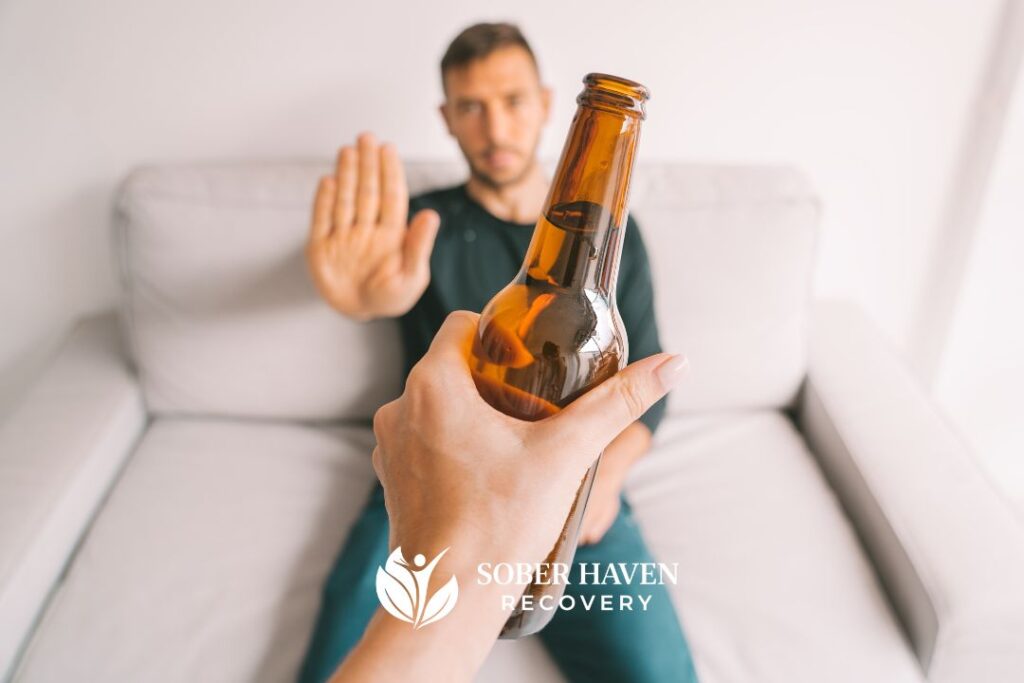
You can stop drinking alcohol. You can not just get sober, but live the life that you want. Our alcohol rehab is designed to help you step away from drinking and move toward lasting stability.
It may seem like it’s impossible to stop or even slow your drinking. But, it’s not. We can help. Here, in a safe, supportive setting, you can reset, rebuild, and regain control.
Residential Alcohol Treatment
Alcohol dependency affects people differently. Some individuals struggle with daily drinking, while others binge in cycles that feel impossible to break. No matter how alcohol has impacted your life, we meet you where you are. Our team builds personalized treatment plans that reflect your history, health profile, and long-term goals.
Our residential program provides an immersive therapeutic environment where clients can focus entirely on recovery. Living onsite allows individuals to step away from triggers, stressors, and daily pressures that often fuel alcohol use.
In residential care, we combine evidence-based modalities with individualized attention. Each client works with licensed clinicians and counselors to address the root causes of alcohol misuse, whether those involve trauma, stress, co-occurring mental health conditions, or long-standing behavioral patterns.
Our residential alcohol rehab program includes:
• Individual therapy sessions
• Group counseling and peer support
• Family involvement when appropriate
• Relapse prevention planning
• Structured daily schedules that promote accountability
This level of care provides stability and routine, which are essential during early recovery. By removing outside distractions, clients gain clarity and the opportunity to practice new coping skills in a supportive setting.
Individualized Therapy for Your Individual Needs
No two clients share the same history with alcohol. That is why our therapeutic approach is highly personalized. During your time in alcohol rehab, you will participate in one-on-one counseling sessions designed to explore personal triggers, behavioral patterns, and long-standing emotional challenges.
We utilize evidence-based techniques such as:
• Cognitive behavioral therapy
• Dialectical behavior therapy strategies
• Motivational interviewing
• Trauma-focused interventions
Together, these approaches help clients identify distorted thinking, regulate emotions, and develop healthier coping mechanisms. Additionally, therapy sessions remain structured yet flexible, so that clients have room for growth and can adapt their skills as recovery progresses.
Group Counseling in a Community of Healing
Recovery is strengthened through connection. Group therapy provides a safe space for clients to share experiences, learn from one another, and practice communication skills.
In facilitated group sessions, participants explore topics such as relapse prevention, stress management, emotional regulation, and rebuilding relationships. Hearing others speak openly about their challenges reduces isolation and fosters accountability.
Peer support within our alcohol rehab environment encourages empathy, perspective, and shared progress. Many clients find that these connections become a meaningful part of not just their time at Sober Haven but for the rest of their lives.
Family Involvement in Recovery
Alcohol misuse often impacts loved ones just as deeply as the individual drinking. Rebuilding trust and improving communication are vital components of healing.
We offer structured opportunities for family engagement when appropriate. Through guided sessions, families can learn about addiction dynamics, establish healthy boundaries, and begin repairing strained relationships.
Family participation helps create a more stable home environment and reinforces the tools clients develop during treatment.
Dual Diagnosis Treatment
Alcohol misuse often occurs alongside mental health conditions such as depression, anxiety, PTSD, or bipolar disorder. Treating one condition without addressing the other can lead to relapse or stalled progress.
At Sober Haven, we provide integrated dual diagnosis care. Our licensed clinicians evaluate each client for co-occurring disorders and incorporate mental health treatment directly into the recovery plan. This coordinated approach improves outcomes and supports overall emotional stability.
Dual diagnosis services include:
• Comprehensive psychiatric evaluations
• Medication management when appropriate
• Trauma-informed therapy
• Cognitive behavioral therapy and related modalities
By treating both substance use and mental health concerns simultaneously, we help clients achieve deeper and more sustainable recovery.
Relapse Prevention and Life Skills Development
Sustained recovery requires preparation. Before completing treatment, each client works with our clinical team to create a comprehensive relapse prevention plan.
This plan includes:
• Identification of high-risk triggers
• Coping strategies tailored to personal stressors
• Ongoing therapy recommendations
• Support group referrals
We also focus on practical life skills that support sobriety, including time management, stress reduction techniques, and healthy routine building. By equipping clients with actionable tools, we strengthen resilience beyond the structured treatment setting.
Before Alcohol Rehab: Medical Detox
The first step before many come to our rehab is to first go through detox. You don’t have to go through our detox to enroll in our inpatient rehab, but, a majority do.
Alcohol withdrawal can range from uncomfortable to dangerous, especially for those who have been drinking heavily or consistently over time. Symptoms may include anxiety, tremors, nausea, insomnia, and in severe cases, seizures or delirium tremens.
At Sober Haven, our medical detox services are supervised by experienced healthcare professionals who monitor vital signs, manage symptoms, and provide medication when appropriate. Safety is our priority. We assess each client before detox begins to determine the right level of care and to reduce potential risks.
During detox, clients receive:
• 24/7 medical supervision
• Medication-assisted support when clinically indicated
• Nutritional guidance and hydration monitoring
• Emotional support from trained staff
Detox alone is not treatment. It is the foundation that allows clients to transition into structured therapy and comprehensive alcohol rehab services. Once symptoms stabilize, we guide clients into the next stage of care without interruption.
A Supportive Setting in Woodland Hills
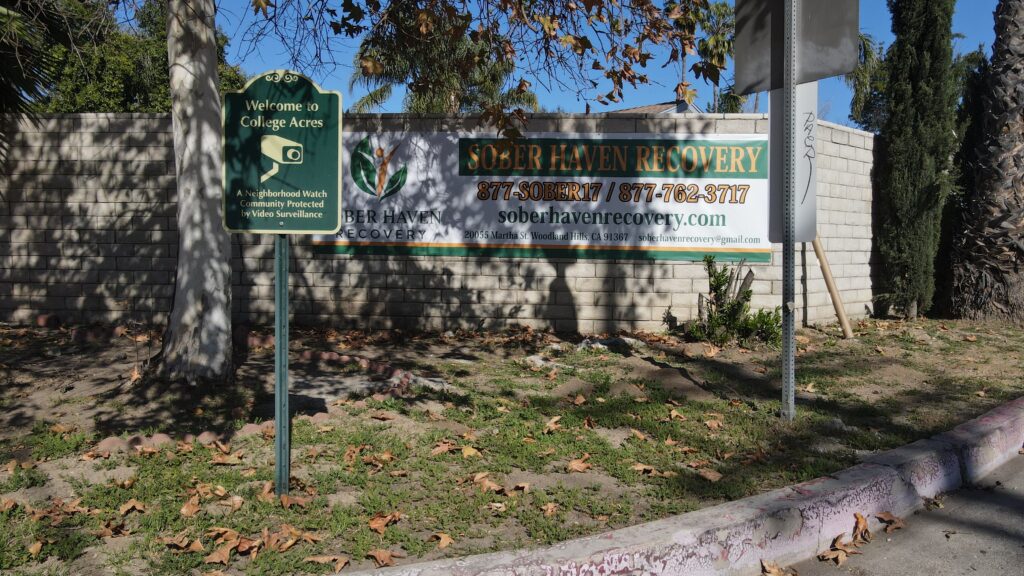
Our Woodland Hills location offers a calm and private environment conducive to healing. Additionally, we create a structured yet welcoming atmosphere that helps clients feel secure and focus fully on their recovery.
We emphasize dignity and respect in every interaction. From your first phone call through each stage of care, our team is committed to transparency, compassion, and professionalism. Entering alcohol rehab can feel overwhelming, but you do not have to navigate it alone.
At Sober Haven, we can help you on your recovery journey with continuity and coordination. Each phase builds upon the last, forming a cohesive recovery experience.
If alcohol has taken control of your life, our programs provide a path toward clarity and stability. Through medical expertise, therapeutic support, and structured care, we help you move forward with confidence and renewed purpose.
Alcohol Rehab FAQs
What can I expect from alcohol rehab at Sober Haven in Woodland Hills?
First, you can expect a structured and supportive program designed to help you stop drinking and build lasting stability. In addition, you’ll receive care in a safe environment that promotes healing, accountability, and personal growth.
How does residential alcohol treatment help with recovery?
More importantly, residential care allows you to live onsite and step away from everyday triggers. As a result, you can focus fully on therapy, daily structure, and developing healthier coping skills that support long-term recovery.
Is treatment personalized for each client?
Yes. Each treatment plan is tailored to your history, health needs, and long-term goals to ensure care reflects your individual experience with alcohol. Your plans also adjust as you grow.
What types of therapy are offered?
Clients participate in individual therapy, group counseling, family sessions when appropriate, and relapse prevention planning, among many others. During your initial evaluation, we’ll devise a treatment plan that offers therapy for your specific needs.
What therapeutic approaches are used?
The program incorporates evidence-based methods such as cognitive behavioral therapy, dialectical behavior strategies, motivational interviewing, and trauma-focused care, among others. You will receive the right therapy for where you are right now.
Is group therapy available?
Yes. Group sessions can provide a safe space to share experiences, reduce isolation, strengthen communication skills, and build peer accountability.
Can family members be involved in treatment?
When appropriate, structured family sessions help rebuild trust, improve communication, and create a healthier home environment.
What is dual diagnosis treatment?
Dual diagnosis care addresses alcohol misuse alongside co-occurring mental health conditions like depression, anxiety, PTSD, or bipolar disorder.
How does Sober Haven prepare clients to avoid relapse?
Clients develop personalized relapse prevention plans that identify triggers, outline coping strategies, and include recommendations for ongoing support.
Is medical detox required before residential treatment?
While not mandatory, many clients begin with medically supervised detox to safely manage withdrawal symptoms before transitioning into residential care.
How can I get started with Sober Haven?
Contact us to verify your insurance continue with the next steps.