
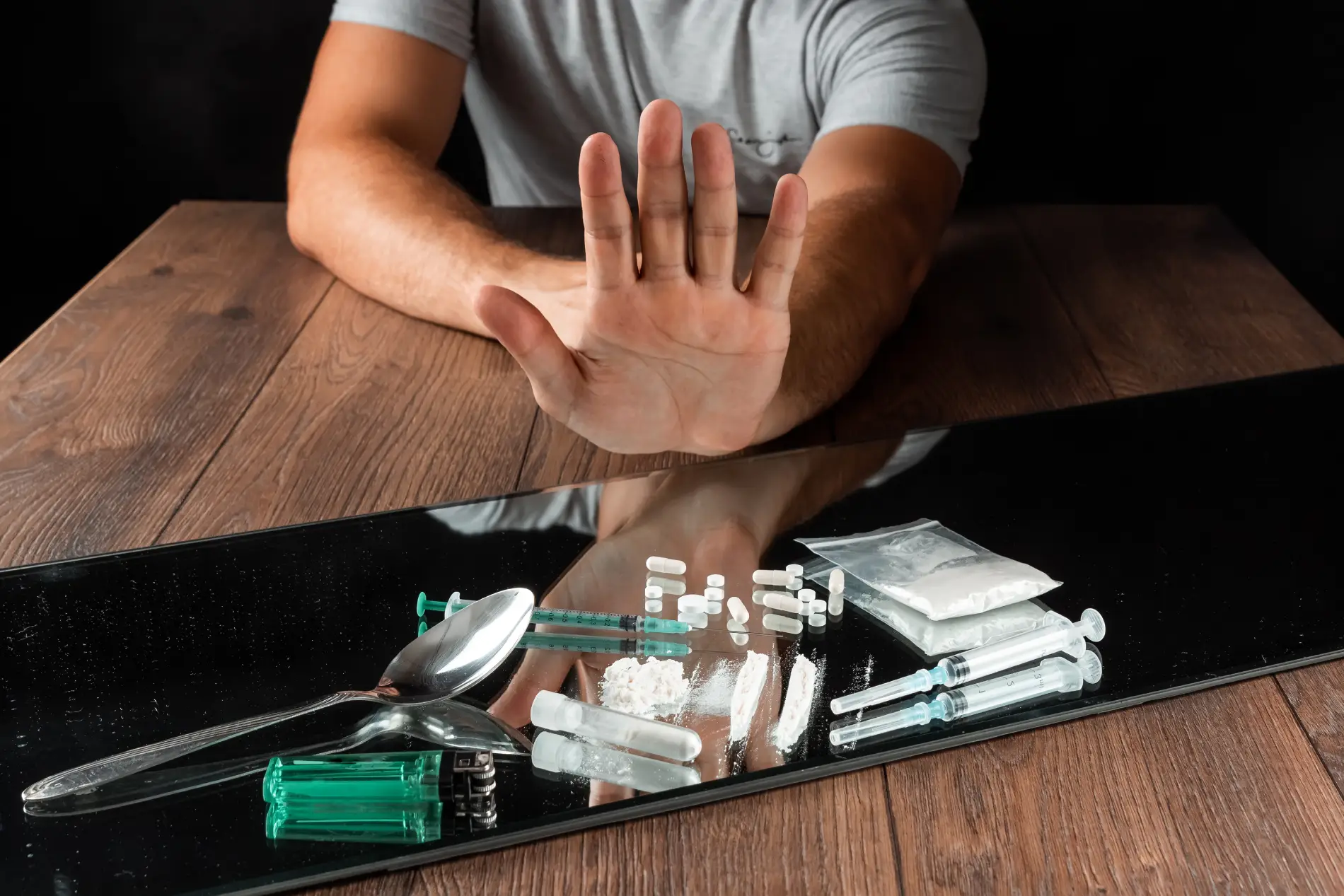
Withdrawal occurs when the body reacts to the absence of a substance it has become dependent on. Over time, drugs and alcohol change how the brain functions. When use suddenly stops, the brain struggles to rebalance itself, leading to uncomfortable—and sometimes dangerous—symptoms.
At Sober Haven Recovery, we help clients safely navigate withdrawal with 24/7 medical support and compassionate care.
- Anxiety or irritability
- Sweating or chills
- Shaking or tremors
- Sleep disturbances
- Headaches
- Nausea or vomiting
- Depression or mood swings
- Intense cravings
-
24/7 medical supervision
-
Medications to reduce symptoms
-
Emotional support
-
Comfort-focused care
-
A safe transition into treatment
-
Support During Withdrawal at Sober Haven Recovery
We offer a calm and supportive environment where clients receive medical stabilization, nutritional support, hydration, and access to holistic services that promote comfort and healing.
Withdrawal is only the first step—but with the right care, it becomes a safe and manageable part of recovery.